

Discover Lisbon: Erasmus+ Courses in Portugal’s Capital
Portugal’s sunny capital on the Atlantic
Portugal’s sunny capital on the Atlantic
About Lisbon, Portugal
Lisbon is the capital and largest city of Portugal, with around 550,000 residents in the city itself and close to three million in the wider metropolitan area. It sits on the northern bank of the Tagus River, a few kilometres from the point where the river meets the Atlantic. The city is built on hills, so you will spend a good part of any visit climbing stairs and stopping at viewpoints.
Lisbon has been rebuilt more than once. The earthquake of 1755 destroyed most of the lower town, and the regular grid of streets in Baixa dates from the reconstruction that followed. Older districts such as Alfama and Mouraria came through in better shape and still have narrow lanes, tiled facades and small squares. Azulejo tiles, yellow trams and custard tarts are what most visitors remember, but day to day Lisbon is a working capital with universities, museums, tech companies and a large international community.
Why This is the Perfect Location for the Course?
Why This is the Perfect Location for the Course?
Most of what you need is close together. The airport is about 7 km from the centre and has its own metro station, so you can be at your accommodation within an hour of landing. Once you are in the city, metro, trams, buses and trains run on the same rechargeable card, and the main sights are only a few stops apart. If you are still choosing a programme, you can browse our Erasmus+ courses in Lisbon.
Lisbon also gives people who work in education a lot to think about. You can follow the story of the Age of Discoveries in Belém, visit one of the largest aquariums in Europe, see contemporary art and architecture at MAAT, and walk through a city that has changed a great deal in the last twenty years. English works in most hotels, restaurants and shops, and a few words of Portuguese are always appreciated.
The climate helps as well. Winters are mild and wet rather than cold, spring and autumn are comfortable for walking, and summers are hot and dry, with an Atlantic breeze that cools the evenings. That makes Lisbon practical as a course location in almost any month of the year.

Top things to see and do in Lisbon
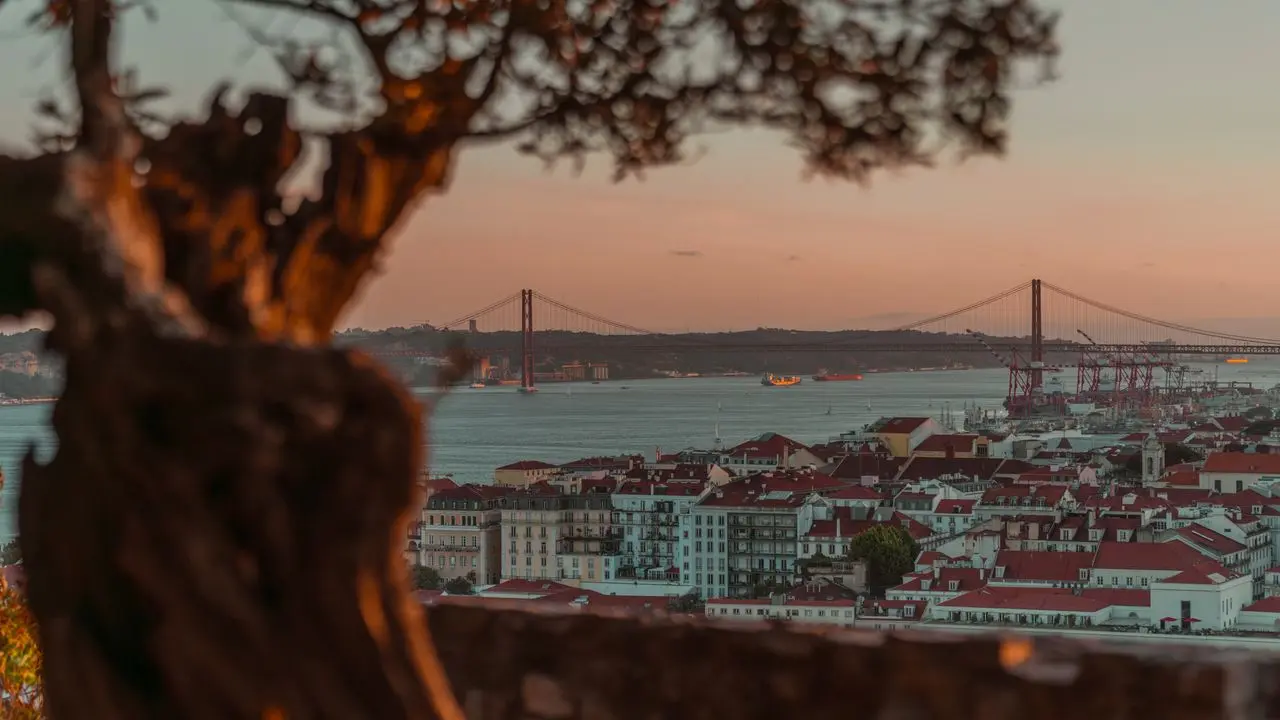
Miradouros (viewpoints): Lisbon has dozens of public viewpoints and almost all are free. Three good ones are Miradouro da Senhora do Monte, Miradouro de Santa Luzia and Miradouro de São Pedro de Alcântara. They fill up around sunset, so arrive a bit earlier if you want a seat.
Oceanário de Lisboa and Parque das Nações: Parque das Nações, in the east of the city, was built for Expo 98. It is flat, modern and pleasant to walk along the river. The Oceanário is one of the largest aquariums in Europe and a good plan for a rainy day. Oriente station, with metro and train connections, is next door.
Fado: Fado is Portugal’s traditional music, recognised by UNESCO in 2011, and Lisbon is its home. Small fado houses in Alfama and Mouraria offer dinner and a show, though some are aimed mainly at tourists. The Museu do Fado in Alfama is a good place to start if you want some background before choosing a venue. During a performance, people expect silence.
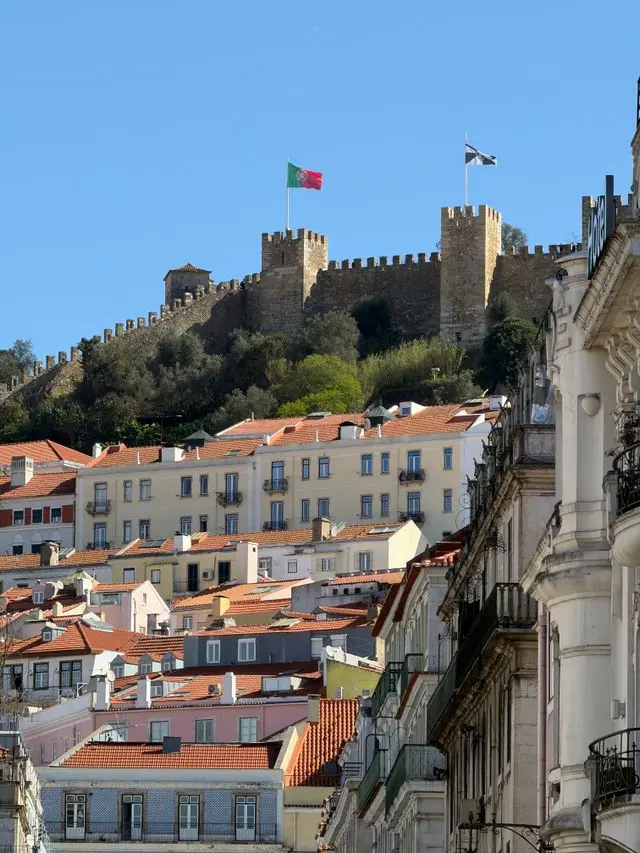
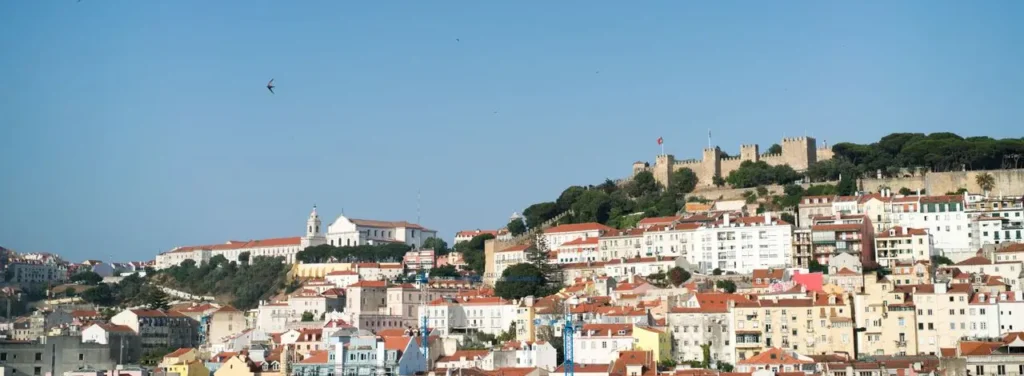
Castelo de São Jorge and Alfama: The castle stands on one of the highest hills of the old town and gives you the best overall view of Lisbon, the river and the 25 de Abril Bridge. From there you can walk down into Alfama, the oldest neighbourhood, where the streets are narrow, steep and easy to get lost in. Go in the morning if you can: Alfama is much quieter before 10:00.
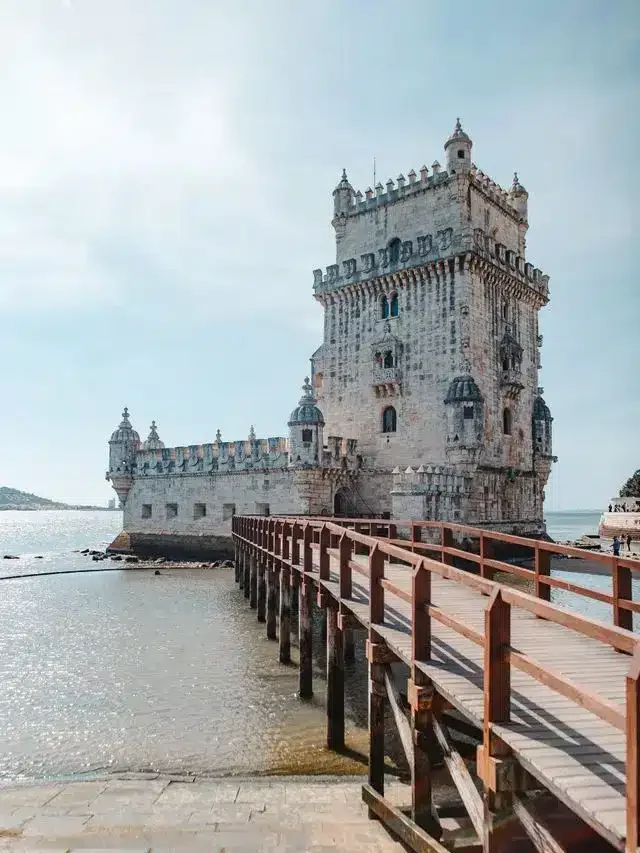
Belém: Belém is about 6 km west of the centre and has the Jerónimos Monastery, Belém Tower and the Monument to the Discoveries. The monastery and the tower have been UNESCO World Heritage sites since 1983. Plan half a day. Both use timed or pre-booked entry in busy periods, so check availability online before you go, and remember that both are closed on Mondays. Finish with a pastel de nata at Pastéis de Belém, which has been baking them since 1837, or just walk along the river.
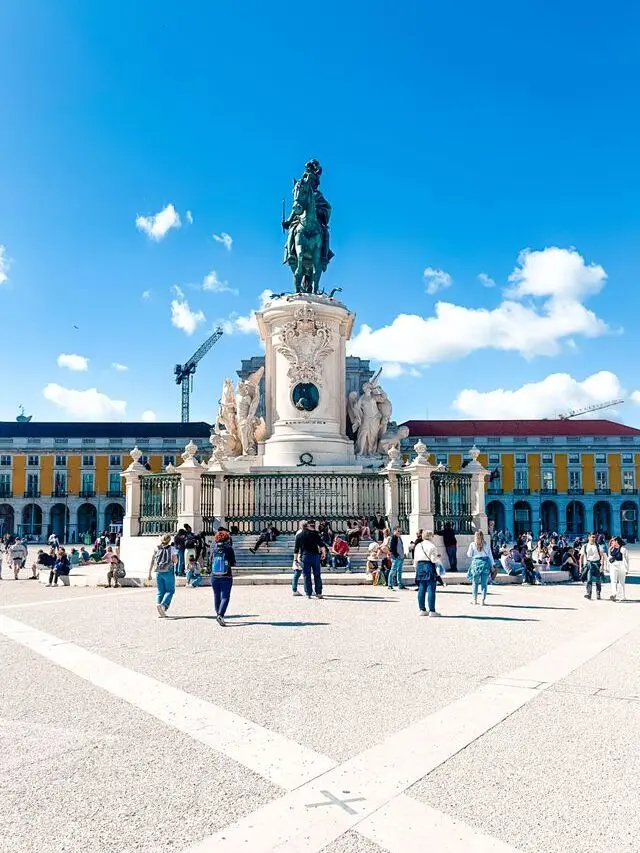
Baixa, Chiado and Praça do Comércio: Baixa is the flat grid between the hills, rebuilt after 1755. Its main street, Rua Augusta, runs through a triumphal arch into Praça do Comércio, a large square that opens onto the river. Chiado, on the slope above, is the area for bookshops and old cafés. The Santa Justa Lift is more of a viewpoint than a shortcut, since the queue is often long. The Bica funicular is the more practical way up a hill.
Surroundings & Trips
Sintra: Sintra is a UNESCO World Heritage cultural landscape in the hills west of Lisbon, with palaces, gardens and a Moorish castle. Trains leave Rossio station every 15–20 minutes on weekdays (less often at weekends), take about 40 minutes and cost a little over €2 each way. The sights are uphill from the station, so use the local tourist buses or wear good shoes. Go early, and book Pena Palace online in busy months, as it gets crowded by late morning. Details and tickets are on the Parques de Sintra website.
Cascais and the coast: Trains to Cascais leave from Cais do Sodré and take about 40 minutes, running along the river and then the Atlantic coast, with stops at Belém, Oeiras and Estoril. Cascais has a small old town, a marina and beaches within walking distance of the station. From there you can walk or cycle to Boca do Inferno, or take a bus to Cabo da Roca, the westernmost point of mainland Europe.
Costa da Caparica: The closest long sandy beaches are on the south side of the Tagus. It takes about 30 minutes by car and longer by public transport. In summer the beach is busy, and there are surf schools and beach bars along the coast. Outside summer it is quiet and good for a long walk.
Arrábida and Sesimbra: South of Lisbon, the Serra da Arrábida natural park has limestone hills, quiet beaches and fishing towns such as Sesimbra. Public transport is slow, so most people go by rental car, shared taxi or on an organised tour. From nearby Setúbal you can also take a boat trip to see dolphins in the Sado estuary.
If you have a free weekend, Óbidos (about an hour away) and Évora (about an hour and a half) are easy to reach by bus, and Porto is around three hours by train.
How to reach Lisbon, Portugal?
Lisbon Humberto Delgado Airport (LIS) is the main gateway, about 7 km from the city centre. Direct flights connect Lisbon with most major European cities, operated by TAP Air Portugal and several low-cost airlines, so in many cases you can fly in without changing planes.
From the airport to the city
- Metro: Aeroporto station is inside the terminal, on the Red Line. It takes about 20 minutes to Saldanha. For Baixa, Chiado or Cais do Sodré, change at Alameda to the Green Line. The metro runs daily from 06:30 to 01:00. A single ticket costs €1.90, plus €0.50 the first time for the reusable Navegante card.
- Taxi or ride-hailing: Taxis, Uber and Bolt all operate at the airport. A ride to the centre usually costs roughly €10–25, depending on your destination, the time of day and your luggage. It is a reasonable option for a group sharing the fare.
- Bus: Bus 744 goes from the airport to Restauradores, stopping at Saldanha, Marquês de Pombal and along Avenida da Liberdade. It is slower than the metro but useful with heavy luggage.
By train or coach
Long-distance trains arrive at Oriente and Santa Apolónia stations. The journey from Porto takes around three hours. International coach services stop at Sete Rios and Oriente.
What is the weather like in Lisbon?
Lisbon has mild, wet winters and hot, dry summers. Daytime highs average about 14–15 °C in January and 28–29 °C in August. November is usually the wettest month and July the driest.
- Spring (March to May): mild and fresh, with highs from the high teens to the low 20s and some rain, mostly in March and April. Jacaranda trees bloom purple in late May and June.
- Summer (June to September): hot, dry and sunny. Heatwaves can push temperatures above 35 °C, so plan sightseeing for the morning and early evening. The Santo António festivities in mid-June fill the old streets with music and grilled sardines.
- Autumn (October to November): warm in October, with highs in the low 20s, and wetter and cooler by late November.
- Winter (December to February): mild but rainy, with highs of 14–15 °C and cooler nights. Frost is very rare. Bring a waterproof jacket.
Whatever the month, pack layers. Evenings by the river can feel cool, even in summer.
Frequently asked questions about Lisbon
Yes. Lisbon has an airport inside the city limits with a direct metro line, a mild climate for most of the year, English widely spoken in hotels and restaurants, and enough history, museums and day trips to fill your free time. Prices are generally lower than in many other Western European capitals.
Take the Red Line metro from Aeroporto station, which is inside the terminal. It reaches Saldanha in about 20 minutes, and you change at Alameda for the Green Line to Baixa, Chiado and Cais do Sodré. A single ticket costs €1.90, plus €0.50 for the reusable Navegante card. A taxi or Uber/Bolt to the centre usually costs roughly €10–25.
*prices might change in the meantime
Metro, buses, trams and trains all work with one Navegante card, which you can buy at metro stations. Walk where you can, but expect steep hills and cobbled streets. Taxis and Uber/Bolt are cheap for short rides and late evenings. The metro runs every day from 06:30 to 01:00.
Lisbon has mild, wet winters, with daytime highs of about 14–15 °C in January, and hot, dry summers, with highs of around 28–29 °C in August. Spring and autumn are comfortable for sightseeing. November is usually the wettest month and July the driest.
Three full days cover the main sights: one for Alfama and the old town, one for Belém, and one for Baixa, Chiado and the viewpoints. Add a fourth day for Sintra or Cascais. If you arrive a day early or stay for the weekend after your course, you can fit most of this around your programme.
Lisbon is generally safe, including in central areas at night. The main risk is pickpocketing on crowded trams, in Baixa and at popular viewpoints, so keep your phone and wallet in a front pocket or a zipped bag. The emergency number is 112.
Yes. In hotels, restaurants, shops and on public transport you can usually manage in English. In small local cafés and markets a few words of Portuguese help: bom dia (good morning), por favor (please) and obrigado or obrigada (thank you, said by a man or a woman).
Yes. Sintra is about 40 minutes by train from Rossio station and Cascais about 40 minutes from Cais do Sodré. The Costa da Caparica beaches and the Arrábida natural park are south of the Tagus. Óbidos, Évora and Porto work well for a free weekend.
Yes. Lisbon charges a municipal tourist tax of €4 per person per night in registered accommodation, with a limit on how many nights are charged. Your hotel or host collects it, so ask whether it is already included in the price when you book.
*prices might change in the meantime